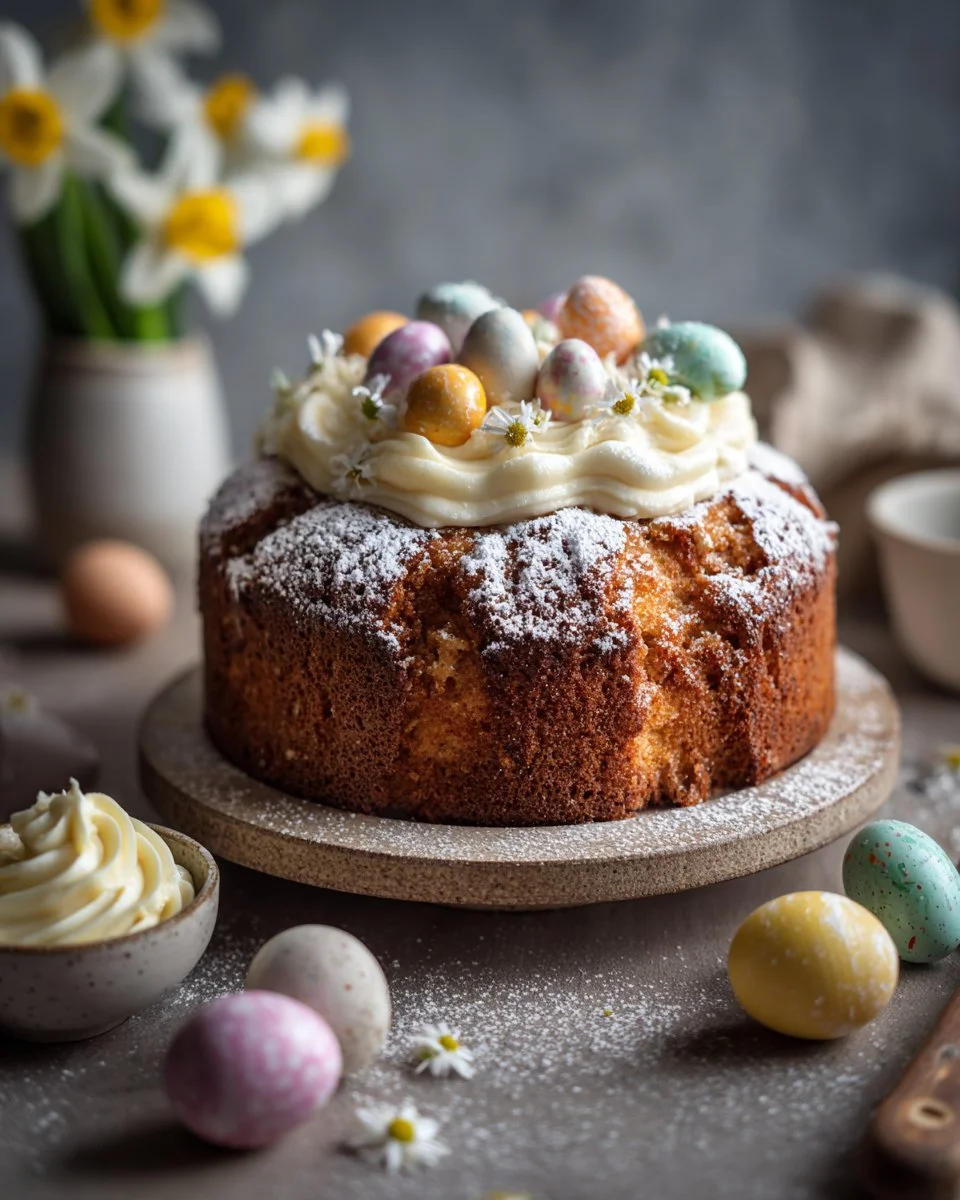
Springtime brings a burst of joy and renewal, and what better way to celebrate this season than with a delightful cake that embodies the essence of Easter? This Easter Cake is not just another dessert; it’s an experience that combines light, fluffy layers with zesty lemon and creamy buttercream frosting. As a food blogger, I believe that baking should be both fun and rewarding, and this cake delivers pure comfort with every slice. Whether you’re gathering with family for an Easter feast or simply indulging in a delicious treat at home, this cake promises to create lasting memories.
The key components of this recipe come together beautifully to create a harmonious blend of flavors and textures. Using 2 ¼ cups of cake flour ensures a tender crumb, while 1 ½ cups of granulated sugar sweetens the cake just right. With ½ cup of buttermilk and ¼ cup of fresh lemon juice, the cake achieves a wonderful moistness, enhanced by the bright zest from 2 tablespoons of lemon zest. The clear vanilla adds a hint of aroma without altering the delicate color, and the addition of 4 egg whites gives the batter a lovely lightness. Completing this recipe are elements like unsalted butter, powdered sugar, and coconut flakes, which not only elevate the flavor but also the design aesthetic, making your cake both delicious and visually appealing.
The preparation of this cake is straightforward, which is perfect for novice bakers and seasoned pros alike. Start by preheating your oven to 350°F and preparing two 8-inch cake pans. Whisk the dry ingredients together, combine the wet ingredients, and then fold in the whipped egg whites. Bake for 35-40 minutes, and while that’s happening, you can prepare the lemon curd and buttercream. Assembling the cake with layers of lemon curd and luscious buttercream makes it all worthwhile. Finally, a sprinkle of cocoa, toasted coconut, and chocolate eggs adds that delightful touch that delights both young and old.
This Easter Cake is perfect not just for Easter Sunday but for any spring gathering or festive occasion. Imagine serving it at a brunch, where friends and family can savor bites of this zesty creation while sharing stories and laughter. It can also be an enchanting centerpiece for a children’s party, captivating their imaginations with its cheerful colors and playful decorations.
Why You’ll Love This Easter Cake
- Delicious Flavor Profile: The combination of lemon and buttery sweetness is refreshing yet comforting.
- Ideal for Any Occasion: Suitable for parties, family gatherings, or simply a treat for yourself.
- Easy to Make: The straightforward steps make it accessible to all skill levels.
- Beautiful Presentation: With colorful decorations, it’s a feast for the eyes as well as the palate.
- Memories in Every Slice: This cake fosters moments of joy and connection around the table.
Cake Flour Tips
Choosing the right flour is essential for this cake. When selecting cake flour, look for a brand that offers a fine, powdery texture. This type of flour has a lower protein content than all-purpose flour, resulting in a lighter, fluffier cake. If you can’t find cake flour, you can make your own by measuring out one cup of all-purpose flour, removing two tablespoons, and replacing them with two tablespoons of cornstarch. This simple substitution will help mimic the tenderness of cake flour.
Options for Substitutions
- Use buttermilk substitutes like yogurt or milk with a splash of vinegar.
- Swap granulated sugar for coconut sugar for a deeper flavor.
- Replace unsalted butter with margarine or a dairy-free butter if needed.
- Instead of powdered sugar, try a sugar alternative like erythritol for reduced sweetness.
- You can use lemon extract in place of fresh lemon juice for a more potent lemon flavor.
- If desired, use a different color food dye instead of blue for decorating.
Watch Out for These Mistakes
It’s easy to make small missteps when baking this Easter Cake. One common pitfall is overmixing the batter once the egg whites are folded in. This can deflate the airiness and lead to a denser cake. Make sure to fold gently until just combined. Additionally, be cautious about the baking time; every oven varies. Check for doneness by inserting a toothpick in the center; if it comes out clean, your cake is ready.
Another common mistake is not letting the cake cool completely before frosting. A warm cake can melt your buttercream, resulting in a gooey mess. Allow the layers to cool in the pans for about 10 minutes before transferring them to wire racks. Lastly, when making the lemon curd, be vigilant not to overcook it; a well-cooked curd is creamy and thick, while overcooking can lead to a grainy texture.
What to Serve With Easter Cake?
To complement your Easter Cake, consider serving it with a light, refreshing salad of mixed greens dressed lightly in vinaigrette. Another great option is a side of fruit salad, combining seasonal fruits like strawberries, blueberries, and kiwi. For an elevated touch, why not present a platter of assorted cheeses to pair with the cake? These sides not only balance the sweetness but also add brightness to your Easter table.
Storage Instructions
Store: This cake can be kept in the fridge for up to 5 days in an airtight container to maintain its freshness.
Freeze: You can freeze the layers of this cake for up to 3 months. Just wrap them tightly in plastic wrap and place them in a freezer-safe bag.
Reheat: If you prefer warm cake, you can reheat individual slices in the microwave for about 10-15 seconds or in a toaster oven until just warmed through.
Recipe Info
- Preparation Time: 30 minutes
- Cooking Time: 40 minutes
- Total Time: 1 hour 10 minutes
- Level of Difficulty: Easy
- Servings: 12 slices
Estimated Nutrition
Estimated nutrition for the whole recipe (without optional ingredients):
- Calories: 3,500 – 4,000 kcal
- Protein: 30 – 40 grams
- Fat: 160 – 180 grams
- Carbohydrates: 550 – 600 grams
Ingredients
- 2 ¼ Cups Cake Flour
- 1 ½ Cup Granulated Sugar
- 2 Teaspoons Baking Powder
- ½ Teaspoon Baking Soda
- ½ Teaspoon Salt
- 1 Cup Buttermilk
- ¼ Cup Fresh Lemon Juice
- 2 Tablespoons Lemon Zest
- 2 Teaspoons Clear Vanilla
- ½ Cup Vegetable Oil
- 4 Egg Whites
- 3 Large Egg Yolks
- 6 Tablespoons Granulated Sugar
- ¼ Cup Fresh Lemon Juice
- 1 ½ Tablespoons Lemon Zest
- Pinch Salt
- ¼ Cup Unsalted Butter (cut into small cubes)
- 2 Cups Unsalted Butter (room temperature)
- 2 Lbs Powdered Sugar
- 1 ½ Tablespoons Vanilla Extract
- 1 Tablespoon Milk
- 1 Pinch Salt
- Blue Food Coloring
- 1 Tablespoon Cocoa Powder
- 2 Tablespoons Boiling Water
- ½ Cup Coconut flakes (toasted, sweetened)
- Chocolate Eggs (small)
Step-by-Step Instructions
Step 1: Preheat Oven and Prep Pans
Preheat your oven to 350°F and prepare two 8-inch cake pans by greasing them and lining the bottoms with parchment paper. This ensures easy release after baking.
Step 2: Mix Dry Ingredients
In a large mixing bowl, whisk together the cake flour, granulated sugar, baking powder, baking soda, and salt until well combined. This step is essential for a uniform cake texture.
Step 3: Combine Wet Ingredients
In another bowl, combine the buttermilk, lemon juice, lemon zest, clear vanilla, and vegetable oil. Make sure all your wet ingredients are at room temperature for the best emulsification.
Step 4: Create the Batter
Pour the wet mixture into the bowl with the dry ingredients, and stir until just combined. In a separate bowl, whip the egg whites until stiff peaks form, then gently fold them into the batter, being careful not to deflate the mixture.
Step 5: Bake the Cake
Pour the batter into the prepared pans and smooth the tops. Bake for 35-40 minutes or until a toothpick inserted in the center comes out clean. Allow the cakes to cool in the pans for 10 minutes before transferring them to wire racks to cool completely.
Step 6: Make the Lemon Curd and Buttercream
For the lemon curd, whisk the egg yolks, sugar, lemon juice, lemon zest, and salt in a saucepan. Cook over medium heat, stirring constantly until thickened. Strain and chill. For the buttercream, beat the unsalted butter in a large bowl, gradually add powdered sugar, salt, and milk, and continue mixing until fluffy.
Step 7: Assemble the Cake
Once cooled, place one cake layer on a serving platter and spread a generous amount of lemon curd on top. Then, add the second layer and frost the top and sides with buttercream. Decorate the cake with a dusting of cocoa, toasted coconut flakes, and chocolate eggs.
Step 8: Chill and Serve
Keep the cake chilled in the refrigerator until you are ready to serve it. This helps the flavors meld together beautifully and allows for easy slicing.
In conclusion, this Easter Cake is a beautiful tribute to spring, bringing joy and flavor to your table. I invite you to try this recipe and savor the delightful experience it offers. Please let me know how it turns out or explore my other posts for more delicious inspiration.
Frequently Asked Questions
Can I make this cake ahead of time?
Yes, you can bake the cake layers a day in advance. Store them wrapped in plastic in the fridge to keep them fresh, and frost just before serving.
How can I adjust the sweetness of the cake?
If you prefer a less sweet cake, consider reducing the amount of granulated sugar in the batter or using a natural sweetener in the buttercream.
Is it possible to substitute the egg whites in the recipe?
You can use aquafaba, the liquid from canned chickpeas, as an egg white substitute. Use approximately 3 tablespoons of aquafaba for each egg white needed.
Print
Easter Cake
- Prep Time: 30 minutes
- Cook Time: 40 minutes
- Total Time: 70 minutes
- Yield: 12 servings 1x
- Category: Dessert
- Method: Baking
- Cuisine: American
- Diet: Vegetarian
Description
A delightful cake combining light, fluffy layers with zesty lemon and creamy buttercream frosting, perfect for celebrating Easter and spring gatherings.
Ingredients
- 2 ¼ Cups Cake Flour
- 1 ½ Cup Granulated Sugar
- 2 Teaspoons Baking Powder
- ½ Teaspoon Baking Soda
- ½ Teaspoon Salt
- 1 Cup Buttermilk
- ¼ Cup Fresh Lemon Juice
- 2 Tablespoons Lemon Zest
- 2 Teaspoons Clear Vanilla
- ½ Cup Vegetable Oil
- 4 Egg Whites
- 3 Large Egg Yolks
- 6 Tablespoons Granulated Sugar (for lemon curd)
- ¼ Cup Fresh Lemon Juice (for lemon curd)
- 1 ½ Tablespoons Lemon Zest (for lemon curd)
- Pinch Salt (for lemon curd)
- ¼ Cup Unsalted Butter (cut into small cubes)
- 2 Cups Unsalted Butter (room temperature, for buttercream)
- 2 Lbs Powdered Sugar
- 1 ½ Tablespoons Vanilla Extract
- 1 Tablespoon Milk
- 1 Pinch Salt (for buttercream)
- Blue Food Coloring
- 1 Tablespoon Cocoa Powder
- 2 Tablespoons Boiling Water
- ½ Cup Coconut flakes (toasted, sweetened)
- Chocolate Eggs (small)
Instructions
- Preheat your oven to 350°F and prepare two 8-inch cake pans by greasing them and lining the bottoms with parchment paper.
- In a large mixing bowl, whisk together the cake flour, granulated sugar, baking powder, baking soda, and salt until well combined.
- In another bowl, combine the buttermilk, lemon juice, lemon zest, clear vanilla, and vegetable oil.
- Pour the wet mixture into the bowl with the dry ingredients, and stir until just combined. Whip the egg whites until stiff peaks form, then gently fold into the batter.
- Pour the batter into prepared pans and bake for 35-40 minutes or until a toothpick comes out clean. Allow the cakes to cool in pans for 10 minutes before transferring to wire racks.
- For lemon curd, whisk egg yolks, sugar, lemon juice, lemon zest, and salt in a saucepan, cooking until thickened. Strain and chill.
- For buttercream, beat unsalted butter, then gradually add powdered sugar, salt, and milk, mixing until fluffy.
- Assemble the cake by spreading lemon curd on one layer, adding the second layer, and frosting with buttercream. Decorate with cocoa, toasted coconut, and chocolate eggs.
- Keep the cake chilled in the refrigerator until ready to serve.
Notes
Store in the fridge for up to 5 days. Can freeze for up to 3 months.
Nutrition
- Serving Size: 1 slice
- Calories: 350
- Sugar: 40g
- Sodium: 200mg
- Fat: 20g
- Saturated Fat: 10g
- Unsaturated Fat: 8g
- Trans Fat: 0g
- Carbohydrates: 45g
- Fiber: 1g
- Protein: 4g
- Cholesterol: 20mg