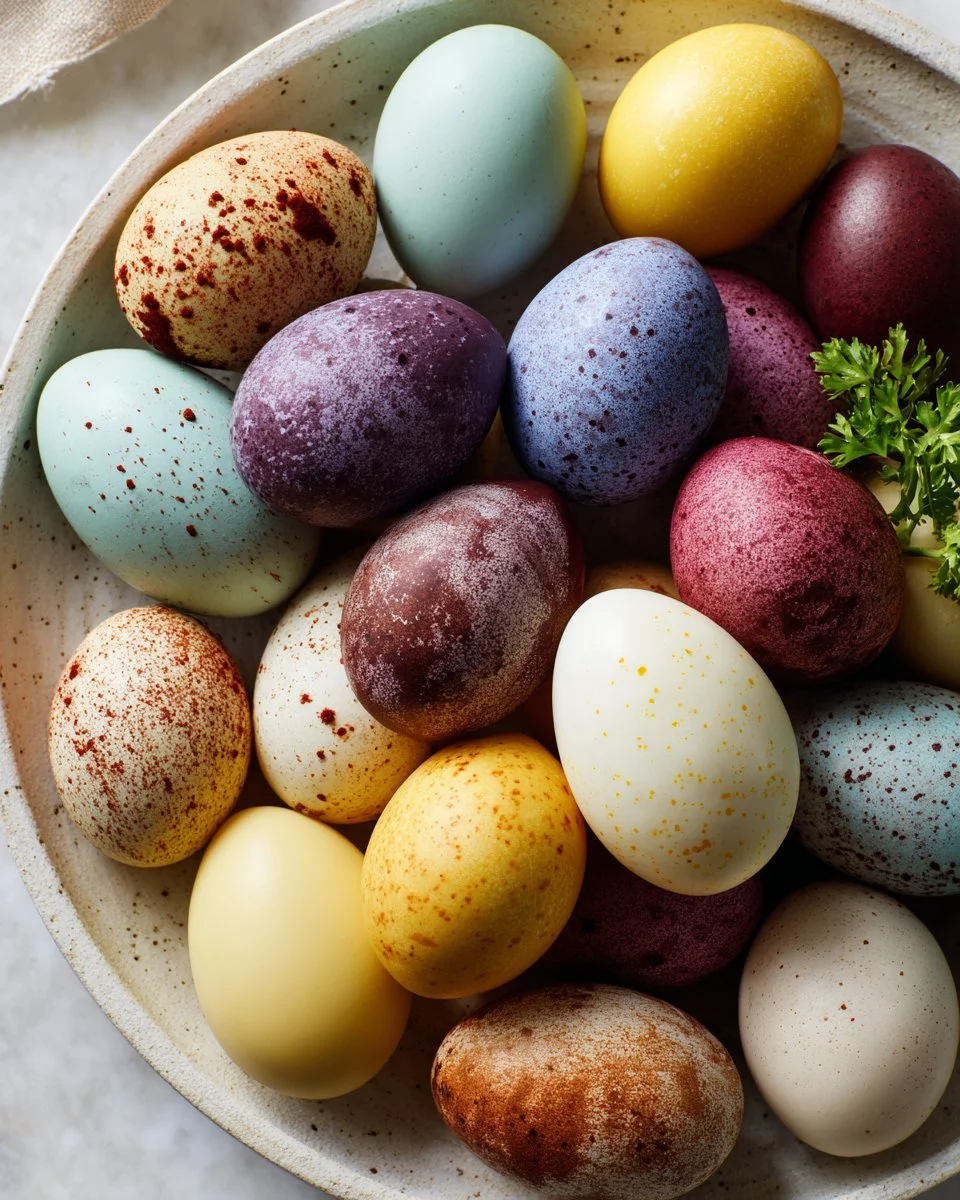
Boiling a pot of water to create vibrant, naturally dyed Easter eggs brings back cherished memories. This activity invites family members of all ages to join in, making it an excellent way for grandparents to connect with grandchildren. There’s something uniquely comforting about gathering around the kitchen table, sharing stories, and creating colorful eggs together. This simple yet meaningful tradition can brighten any spring day.
The colorful palette you’ll create is derived from all-natural ingredients. Using hard-boiled eggs, you’ll infuse them with hues from various vegetables and spices such as the skin from yellow onions, turmeric, red cabbage, beets, and chili powder. These dye ingredients not only provide beautiful colors but also introduce the possibility of fresh flavors. With the addition of vinegar, the vibrant shades become even more vivid, ensuring that each egg is truly a work of art.
Fear not; the process is uncomplicated and requires only a few essential steps. First, you will boil water and allow your dye ingredients to simmer. After straining the colors into jars and cooling them, simply soak your hard-boiled eggs in the colored liquid. You’ll have the chance to check the eggs throughout this process, ensuring they achieve the perfect shade without any hassle. When finished, just blot them dry and let them air out, ready for your Easter festivities.
This activity is perfect for spring gatherings or family get-togethers, transforming ordinary eggs into eye-catching decorations. Whether you’re preparing for a festive brunch or simply indulging in a creative afternoon, these naturally dyed Easter eggs add a charm to any occasion.
Why You’ll Love This Naturally Dyed Easter Eggs
- Creative Fun: Engaging activity for the whole family that fosters teamwork and creativity.
- All-Natural Ingredients: Made with simple kitchen items, ensuring health and safety, especially for kids.
- Vibrant Colors: Create a stunning array of colors without synthetic dyes.
- Customization: Adjust dye times to achieve different shades, providing a unique touch to each egg.
- Easy Cleanup: The method is straightforward, leaving you with minimal mess.
Tips for Using Eggs
Choosing the right eggs is essential in creating beautiful, naturally dyed Easter eggs. For best results, opt for organic, free-range eggs if possible. They tend to have a more robust flavor and richer yolk color. Additionally, the shells of fresher eggs are usually sturdier, contributing to their resilience during the boiling process. When boiling, be gentle to avoid cracking the shells; consider adding a pinch of salt to the water to enhance the egg quality.
Options for Substitutions
If you want to switch things up, here are some easy substitutions you can consider:
- Use white vinegar instead of apple cider vinegar for a neutral flavor.
- Replace red cabbage with green cabbage for a different shade.
- Swap the beet for prepared beet juice if you’re short on time.
- Utilize spinach for a green dye alternative.
- Use blueberries instead of turmeric for a beautiful blue hue.
- Expand your spice variety with saffron for a unique golden tint.
Watch Out for These Mistakes
When making these naturally dyed eggs, avoid some common hurdles. First, don’t skip the simmering step. If you don’t allow the dye ingredients to cook properly, the colors may not develop fully. Next, be cautious not to overuse dye ingredients; adding too much can lead to overly dark or muddy colors. It’s also essential to let your dye cool completely before adding the eggs. This step ensures that the flavors and colors are just right, enhancing the final results. Lastly, remember to check the eggs frequently while they soak; some dyes can color much faster than others.
What to Serve With Naturally Dyed Easter Eggs?
These vibrant Easter eggs pair beautifully with seasonal dishes. Consider serving them alongside a fresh spring salad featuring mixed greens, strawberries, and a light vinaigrette. Complement the meal with a creamy potato salad or a variety of hearty sandwiches, perfect for Easter brunch. You may also want to offer a selection of cheeses and breads to create a charming display perfect for sharing.
Storage Instructions
Store: Place your dyed eggs in the refrigerator where they can last for up to one week.
Freeze: We do not recommend freezing boiled eggs, as the texture may deteriorate significantly.
Reheat: If desired, you can gently reheat them on the stovetop in warm water or in the microwave in small increments until just warm.
Recipe Info
Preparation Time: 15 minutes
Cooking Time: 30 minutes
Total Time: 45 minutes
Level of Difficulty: Easy
Servings: Approximately 12 eggs
Estimated Nutrition
Estimated nutrition for the whole recipe (without optional ingredients):
- Calories: 240 – 300
- Protein: 24 – 30g
- Fat: 10 – 12g
- Carbohydrates: 20 – 25g
Ingredients
- Hard Boiled Eggs
- 2 Cups Water per dye color
- 2 Tablespoons White Vinegar per dye color
- Skin from 4 Yellow Onions
- 2 Tablespoons Turmeric
- ½ Head Red Cabbage
- 1 Beet chopped or shredded
- 2 Tablespoons Chili Powder
- 1 Bunch Fresh Parsley
Step-by-Step Instructions
Step 1: Prepare the Dye
Begin by boiling 2 cups of water in a pot. Once it reaches a rolling boil, add your chosen dye ingredient—like onion skins or turmeric. Allow it to simmer on low heat for 25 to 30 minutes. This will extract the colors effectively.
Step 2: Strain the Dye
After the simmering time is up, strain the liquid into pint jars using a fine sieve. This step is crucial to remove solid pieces, ensuring a smooth dye.
Step 3: Cool the Dye
Let the strained liquid cool completely to room temperature. This cooling period is important for achieving the best color results when dyeing the eggs.
Step 4: Add Vinegar
Once the liquid dyes are cool, add 2 tablespoons of white vinegar to each jar of dye. This vinegar enhances the dyeing process, helping the colors adhere better to the eggs.
Step 5: Soak the Eggs
Now it’s time to immerse your hard-boiled eggs into the jars. Let them soak for about 20 minutes. For a deeper shade, feel free to check them periodically and keep them submerged longer.
Step 6: Dry the Eggs
Once sufficient coloring has been achieved, carefully remove the eggs and blot them gently with a paper towel or clean dish towel. Allow them to air dry completely before storing or displaying.
In conclusion, creating naturally dyed Easter eggs is not just about the vibrant colors; it’s a beautiful way to make memories, share traditions, and enjoy quality time with loved ones. I encourage you to give this simple yet satisfying recipe a try. Don’t hesitate to share your results or explore similar fun projects on my blog!
Frequently Asked Questions
Can I use other vegetables for dye?
Absolutely! Besides the ingredients listed, you can use items like blueberries for blue or spinach for green colors. The more you experiment, the more unique shades you can achieve.
How do I prevent the dye from staining my hands?
Wearing gloves during the dyeing process will help keep your hands clean. If you do get stains, lemon juice or vinegar can help lighten them.
Are these dyed eggs safe to eat?
Yes! As long as the eggs are properly cooked, cooled, and stored in the refrigerator, they are safe to eat. Enjoy your colorful creations!
Print
Naturally Dyed Easter Eggs
- Prep Time: 15
- Cook Time: 30
- Total Time: 45
- Yield: 12 eggs 1x
- Category: Dessert
- Method: Dyeing
- Cuisine: American
- Diet: Vegetarian
Description
Create vibrant and eye-catching Easter eggs using all-natural ingredients, perfect for family gatherings.
Ingredients
- Hard Boiled Eggs
- 2 Cups Water per dye color
- 2 Tablespoons White Vinegar per dye color
- Skin from 4 Yellow Onions
- 2 Tablespoons Turmeric
- ½ Head Red Cabbage
- 1 Beet chopped or shredded
- 2 Tablespoons Chili Powder
- 1 Bunch Fresh Parsley
Instructions
- Prepare the Dye: Boil 2 cups of water in a pot. Add your chosen dye ingredient and let simmer for 25 to 30 minutes.
- Strain the Dye: Strain the liquid into pint jars using a fine sieve.
- Cool the Dye: Let the strained liquid cool completely to room temperature.
- Add Vinegar: Add 2 tablespoons of white vinegar to each jar of dye.
- Soak the Eggs: Immerse hard-boiled eggs into the jars and let soak for about 20 minutes.
- Dry the Eggs: Remove the eggs and blot them dry with a paper towel or clean dish towel and allow to air dry completely.
Notes
Opt for organic, free-range eggs for best results. Avoid skipping the simmering step for effective dye extraction.
Nutrition
- Serving Size: 1 egg
- Calories: 300
- Sugar: 1g
- Sodium: 70mg
- Fat: 12g
- Saturated Fat: 3g
- Unsaturated Fat: 9g
- Trans Fat: 0g
- Carbohydrates: 25g
- Fiber: 1g
- Protein: 30g
- Cholesterol: 0mg